The Skull Emoji 💀: Why It Means 'Laughter' Not 'Death'
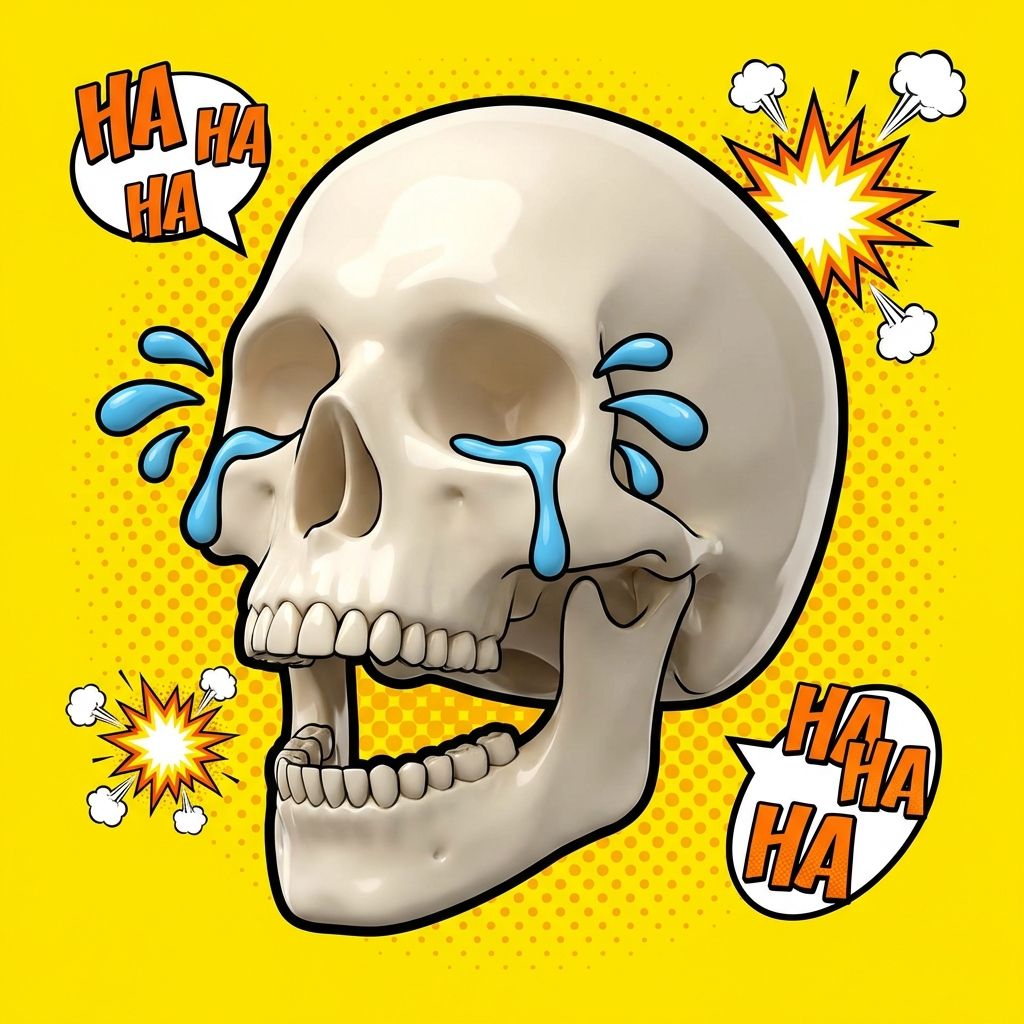
RIP? No. If you see a skull emoji 💀, nobody has died. Well, they have died *laughing*.
The Shift: 😂 vs 💀
For Millennials, the "Face with Tears of Joy" 😂 was the standard for laughter.
For Gen Z, using 😂 is a sign of old age. It's considered "cringe."
Gen Z replaced it with the Skull 💀 or Skull and Crossbones ☠️. The idea is that something is so funny, "I'm dead" (figuratively).
Contextual Usage
- Something funny happens: "Bro I can't 💀"
- Something embarrassing happens: "Did you really say that? 💀"
- Roasting someone: "Look at his shoes 💀💀💀"
Variations
- The Tombstone 🪦: "I'm buried." A stronger version of the skull.
- The Coffin ⚰️: Same energy.
- The Chair 🪑: This is a TikTok specific slang where people say "I'm screaming" -> "chair" (It's niche, don't worry about it mostly).
Is the Laughing Emoji Cancelled?
Technically, no. You can still use 😂 or 🤣, but just know that it marks you as a Millennial or Boomer in the eyes of the internet youth.
If you want to blend in on TikTok:
❌ "That is so funny! 😂"
✅ "I'm dead 💀"