How Emojis Are Changing Communication in 2026
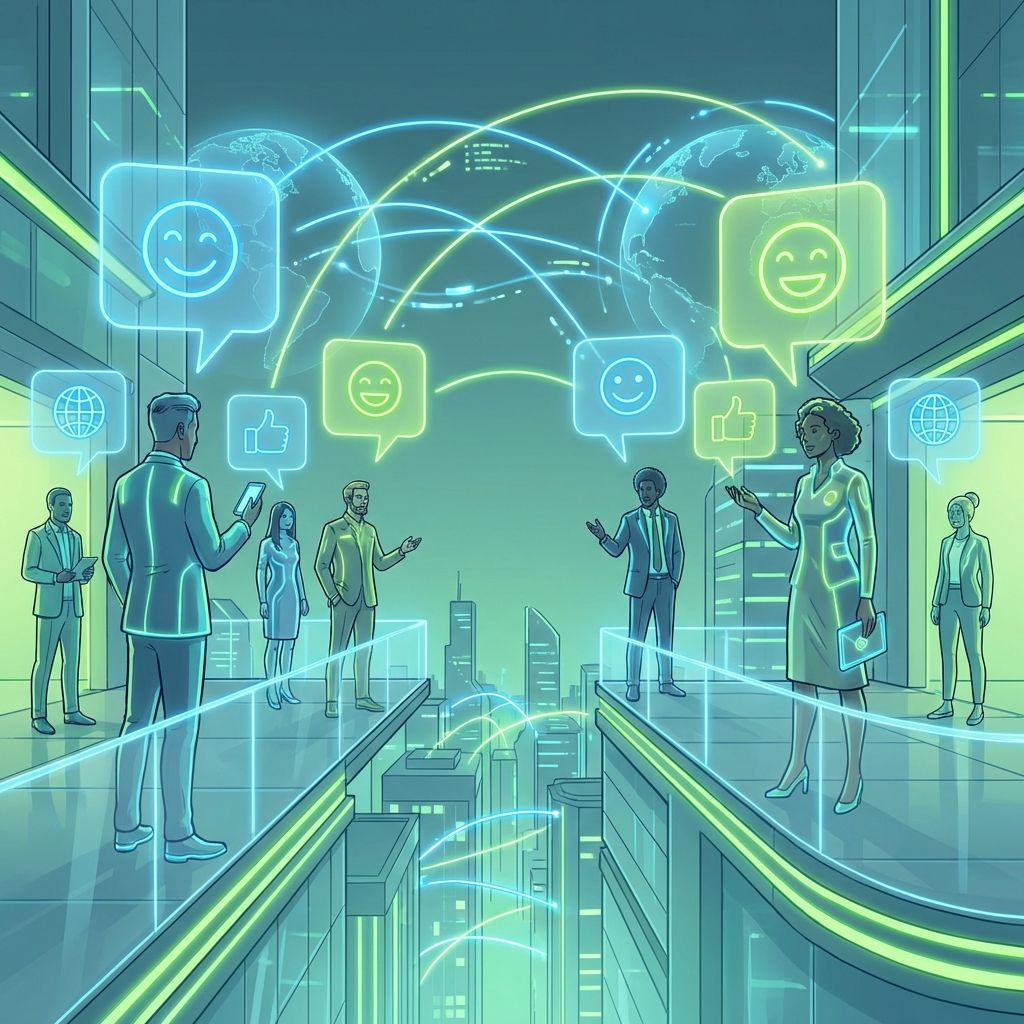
We used to think of emojis as informal decorations, cute little faces to soften a text message. But fast forward to 2026, and they have evolved into a sophisticated layer of digital linguistics. They are no longer just "fun"; they are functional, essential, and increasingly complex. From remote work clarity to Gen Alpha's abstract slang, emojis are reshaping how we connect.
The Tone Indicator Revolution in Remote Work
In the era of permanent hybrid work, the "flatness" of text is a liability. Without facial expressions or vocal inflection, a simple "Ok." can read as passive-aggressive, angry, or indifferent. Enter the emoji as a syntactic necessity.
By 2026, we've seen the standardization of what linguists call "Tone Indicators." It's no longer unprofessional to use emojis in Slack or Teams; it's unprofessional *not* to.
* The Softener: A thumbs up 👍 is now seen as the digital equivalent of a nod. A lack of it implies silence or disapproval.
* The Clarifier: The upside-down face 🙃 has cemented itself as the universal sign for "I'm joking" or "This situation is ridiculous but I'm smiling through it." It prevents HR disasters by flagging sarcasm immediately.
* The Ack: Reaction emojis (eyes 👀, checkmark ✅) have replaced millions of "Got it" emails, streamlining corporate communication efficiency.
Gen Alpha: The Abstract Era of Emojis
If Millennials used emojis literally (a peach is a peach, maybe a butt) and Gen Z used them ironically (the skull 💀 means laughter), Gen Alpha has taken emojis into the realm of the abstract.
To a teenager in 2026, the Moai 🗿 isn't a statue; it's a "bruh" moment, a stoic stare in the face of cringe. The Chair 🪑 (which had a viral moment years ago) is still lingering in niche communities as a laughter code. But specific combinations are where the new grammar lies:
* ✨🧚♀️ The Fairy Comments: Still surviving as a way to frame harsh truths with aggressive cuteness.
* 🧢 The Cap: "No cap" has evolved, and the blue cap emoji is now a punctuation mark for truth-verification in automated transcripts.
This generational divide means that a marketing email using a "Cry Laughing" 😂 emoji is effectively timestamped as "Ancient." To speak to the youth of 2026, brands have to understand that emojis are vibe-checkers, not just pictures.
Professional Etiquette: The New Rules
As emojis permeate the C-Suite, a new etiquette guide has emerged.
1. Never define the relationship with a heart. The Red Heart ❤️ is for family or spouses. The Blue Heart 💙 is for brands. The White Heart 🤍 is for aesthetic support. In a professional context? Stick to the Sparkles ✨ or the Handshake 🤝.
2. The skin tone debate. default yellow is still the "neutral," but many workplaces encourage using your own skin tone to promote visibility. However, using a skin tone that isn't yours is a major faux pas.
3. The "Passive Aggressive" Smile. The slight smile 🙂 is universally recognized as a threat. Use the open-mouthed smile 😃 or simple grin 😄 for genuine warmth. The slight smile is reserved for "I am replying to this email because I have to."
Accessibility and Alt-Text
One of the biggest shifts in 2026 is the focus on accessibility. Screen readers have gotten smarter, describing emojis not just by name ("Face with Tears of Joy") but by context in advanced modes.
However, "Emoji Spam" (putting 10 emojis in a row) remains a nightmare for accessibility tools. The 2026 standard for inclusive design dictates:
* Maximum 3 emojis per cluster.
* Place emojis at the end of sentences, not the middle. Breaking up text with icons makes it hard for screen readers to parse grammar.
* Don't replace words with emojis. Write "I love pizza," not "I ❤️ 🍕." The latter forces a cognitive load switch that slows down reading comprehension for everyone, not just those using assistive tech.
The Future: Custom and AI Emojis
With platforms allowing infinite custom emojis, we are seeing hyper-niche dialects form. A Discord server for a specific coding framework might have 50 different "loading" emojis, each with a different shade of panic.
Furthermore, AI-suggested emojis are now predicting not just the sentiment of our text, but the subtext. Your keyboard knows you're annoyed before you even type the word, suggesting a specific weary face 😩 rather than a generic sad one.
Conclusion
In 2026, emojis are far more than cartoons. They are tone, punctuation, identity, and culture. They bridge the gap between spoken and written language, adding the "human" back into our digital stream. Whether you're a CEO clarifying a directive or a teen roasting a friend, fluency in emoji is no longer optional—it's a core literacy skill of the modern age.